
Of everything that happens during a bathroom renovation, waterproofing is the one element you’ll never actually see once the project is finished — and it’s also the one that matters most. Poor waterproofing is one of the leading causes of costly water damage in Australian homes, often not discovered until it has already caused damage to timber flooring, plasterboard, or even a neighbouring apartment below. Understanding what proper bathroom waterproofing actually involves helps you ask the right questions of any renovator you’re considering.
At Blue Blend Group, waterproofing is never treated as an afterthought — it’s foundational to every renovation we deliver across Sydney, whether it’s a full bathroom rebuild or a targeted bathroom upgrade.
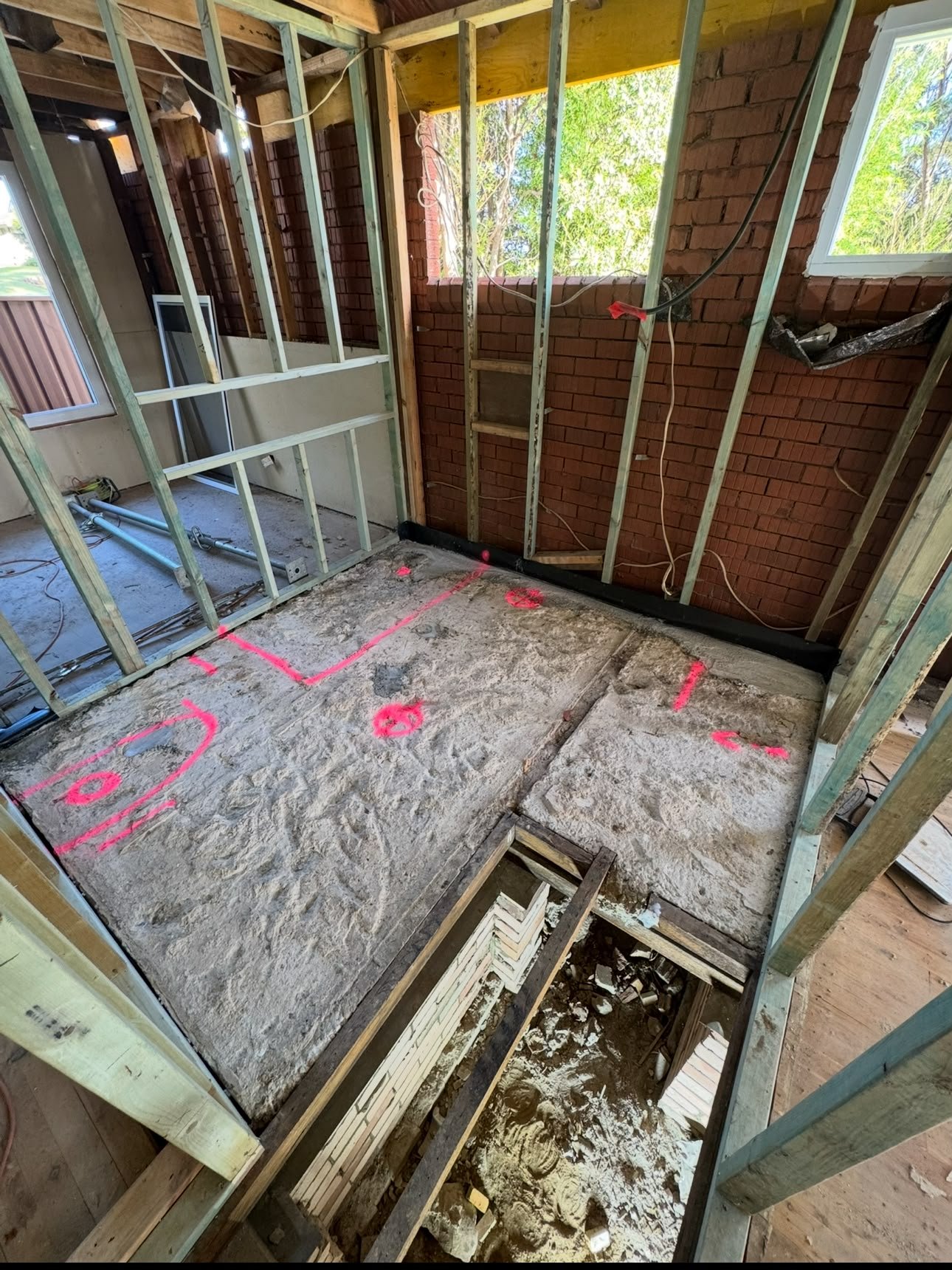
What Is Bathroom Waterproofing, Exactly?
Waterproofing refers to the membrane system applied beneath tiles, on floors, walls, and around wet areas like showers, to stop water penetrating into the structure of your home. It typically involves a liquid or sheet membrane applied to the substrate, reinforced at joints and corners, before any tiling begins. Once tiles are laid on top, the waterproofing membrane is completely hidden — which is exactly why it’s so important to get it right the first time, and why it’s worth understanding before work starts rather than after a leak appears.
Why Waterproofing Fails (and Why It Matters)
Waterproofing failures are rarely caused by one dramatic mistake. More often, it’s a combination of smaller issues: insufficient membrane thickness, missed corners and joints, inadequate curing time before tiling, or membranes that don’t meet the required height up walls in shower areas. Any one of these gaps can allow water to seep behind tiles over months or years, eventually leading to:
- Swollen or rotting timber floor joists and skirting
- Mould growth within wall cavities, which can affect indoor air quality
- Damage to plasterboard and paint in adjoining rooms
- Water damage to apartments below, in strata buildings — a common and expensive dispute in Sydney apartment blocks
By the time these issues become visible, the repair often costs significantly more than doing the waterproofing correctly would have during the original renovation.
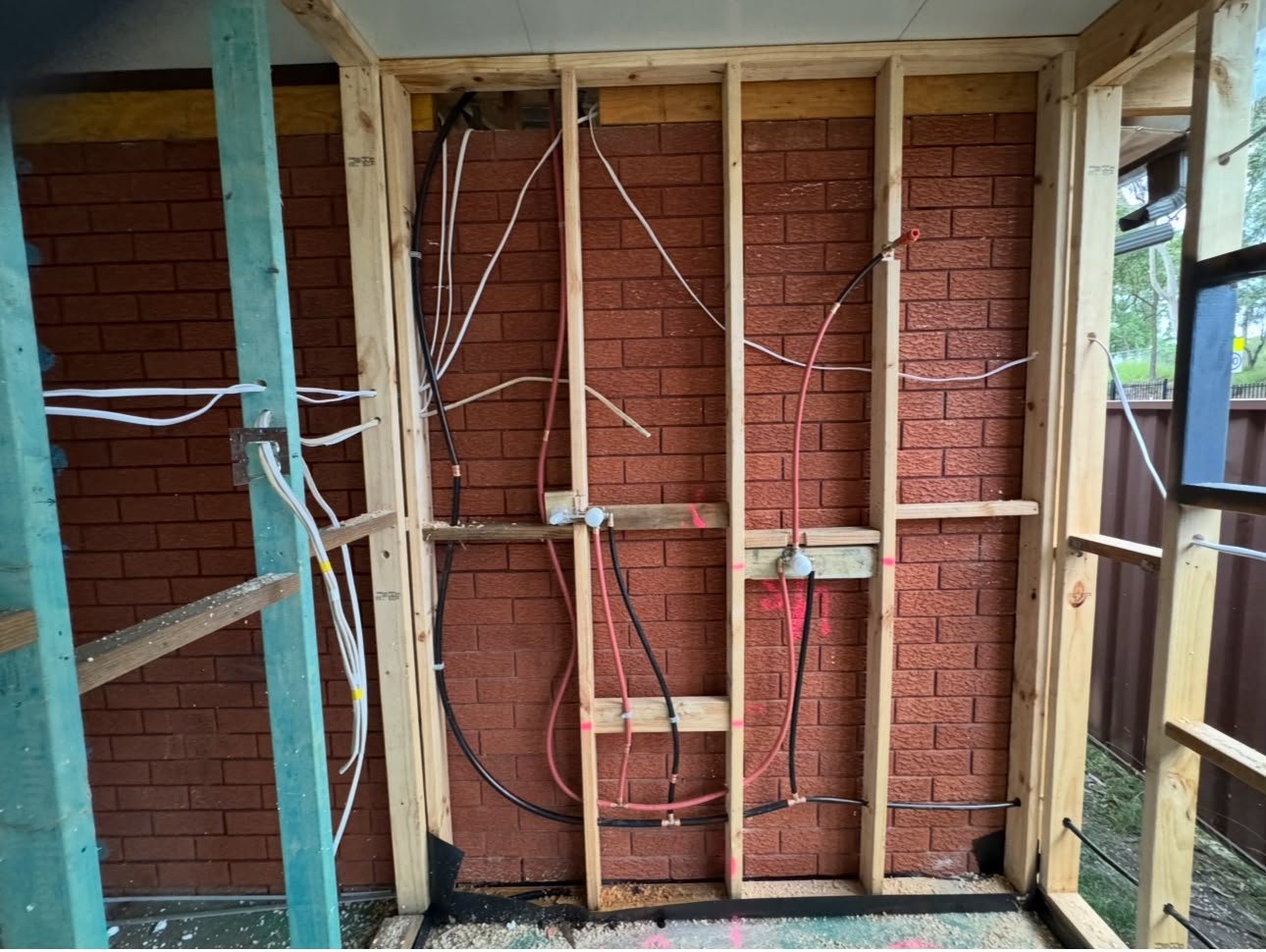
Australian Standards for Bathroom Waterproofing
Waterproofing in Australian bathrooms is governed by AS 3740:2021 — Waterproofing of domestic wet areas, which sets out minimum requirements for membrane coverage, height up walls, and floor falls to ensure water drains properly to the waste outlet. This standard is referenced within the National Construction Code, meaning compliant waterproofing isn’t optional — it’s a legal requirement for any bathroom renovation in NSW.
Key requirements under AS 3740 include minimum membrane height on shower walls (typically 1800mm within the shower recess), full floor coverage in the wet area, and correctly formed floor falls (generally a minimum of 1:100) so water drains toward the waste rather than pooling.
What to Ask Before Your Renovation Begins
When choosing a renovator, it’s worth asking directly:
- Are you a licensed waterproofer, or do you subcontract to one? (In NSW, waterproofing must be carried out or supervised by a licensed practitioner for jobs over a certain value.)
- Will I receive a Certificate of Compliance for the waterproofing work?
- What warranty applies to the waterproofing specifically, separate from the general renovation warranty?
A renovator confident in their work will have no hesitation answering these questions clearly. You can read more about how licensing and compliance obligations work for renovations via NSW Fair Trading.
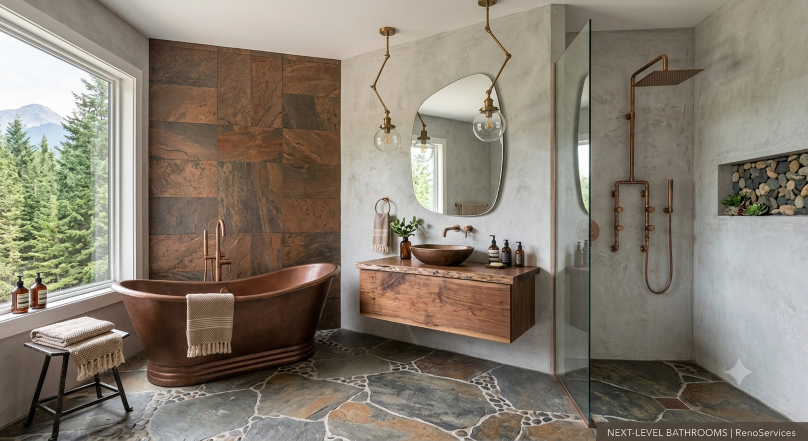
Waterproofing Is Especially Critical For:
- Upper-floor bathrooms and apartments, where a leak affects the property below.
- Older homes being renovated for the first time in decades, where existing waterproofing (if any) rarely meets current standards.
- Small bathrooms, where shower spray more easily reaches surrounding walls and floors due to limited clearance.
- Freestanding bath installations, which require waterproofing consideration around the tub surround, not just the shower.
If you’re planning a compact renovation, it’s worth reading our related guide on small bathroom renovation ideas, which touches on how waterproofing and layout decisions intersect in tighter spaces.
How We Approach Waterproofing at Blue Blend Group
Every renovation we deliver includes waterproofing carried out to full AS 3740 compliance, with appropriate curing time built into the project schedule rather than rushed to keep to a deadline. This is one of the reasons our renovation process includes a dedicated quality check stage before handover — ensuring every hidden element of the job, not just the visible finishes, meets the standard our clients expect.
Frequently Asked Questions About Bathroom Waterproofing
How long does waterproofing need to cure before tiling begins?
Most waterproofing membranes require a minimum curing time of 24–48 hours before tiling can begin, though this varies by product and environmental conditions such as humidity and temperature. Rushing this step is one of the most common causes of premature waterproofing failure.
Can I waterproof a bathroom myself?
While waterproofing products are available to homeowners, in NSW waterproofing work in wet areas generally needs to be carried out or supervised by a licensed practitioner, particularly for work valued above a certain threshold. Beyond the legal requirement, the consequences of a DIY waterproofing failure — hidden water damage that can take years to surface — make this an area where professional installation is genuinely worth it.
How do I know if my bathroom’s waterproofing has failed?
Common warning signs include musty odours, visible mould around skirting or adjoining walls, soft or discoloured flooring near the bathroom, and bubbling or lifting paint on the ceiling below an upstairs bathroom. If you notice any of these signs, it’s worth having the area inspected before the damage spreads further.
Does waterproofing come with a warranty?
Reputable renovators should provide a specific warranty for waterproofing work, separate from the broader renovation warranty, along with a Certificate of Compliance confirming the work meets AS 3740. Always request this documentation as part of your renovation contract.
Protect Your Investment From Day One
Waterproofing isn’t the most exciting part of a bathroom renovation, but it’s the part that protects everything else you’re investing in. If you’re planning a renovation in Sydney and want the confidence of fully compliant, professionally executed waterproofing, contact Blue Blend Group for a free consultation. You can also browse examples of our completed work in our project portfolio.